Kokomo Urban Outreach Director of Mission and Vision, Jeff Newton, recalls another Kokomo nonprofit losing its way with a capital campaign that sputtered out after they parted ways with their consultants to cut costs. Jeff filed that away and committed to following the process when his board of directors approved a project with Loring Sternberg and Associates for their own capital campaign.
Even when the tasks and process didn’t make sense to him personally, he trusted the expertise and experience LSA brought to his team. “If we’re going to do this, we’re going all the way,” he recalls.
The Gift That Became a Deadline
Kokomo Urban Outreach didn’t initially plan to launch a capital campaign. They received a gift: a 45,000-square-foot former church building. The building also came with a $350,000 boiler that needed to be installed before winter to make the space usable and comfortable for the kids in the UP™ Program.
“We had to launch a capital campaign in order for our heat to be ready before winter,” Jeff said. “We had every reason to do it. We just also had to do it now.”
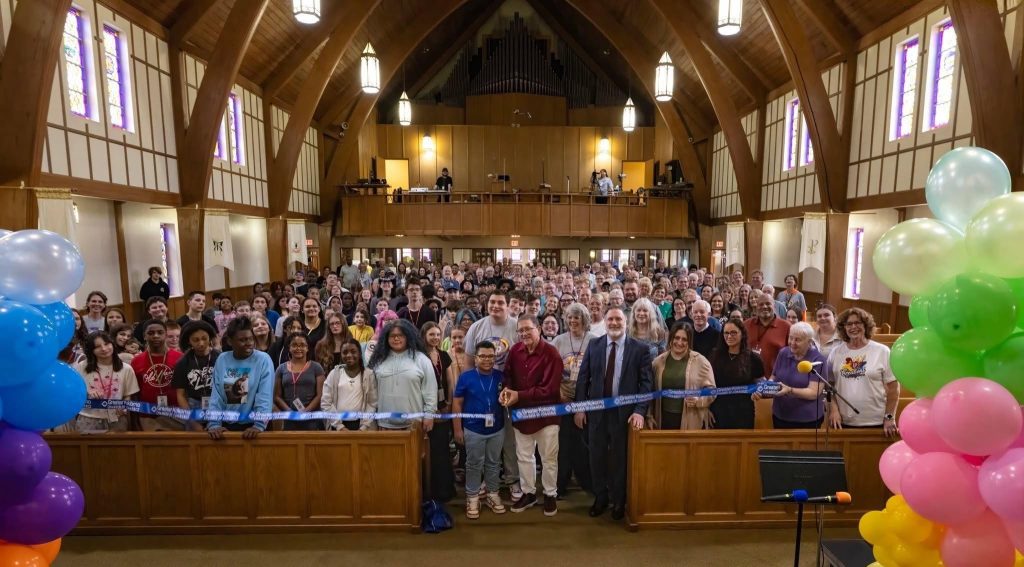
They launched in June. The heat was running before the winter’s relentless cold set in.
The Donor Problem
KUO had deep roots in Kokomo. Volunteers knew the donors. The kids and families they served knew them. But the major donors who could write five- and six-figure checks were essentially strangers.
“We were networked with volunteers, but we needed to be in a higher major-donor network, and we were not,” Jeff said.
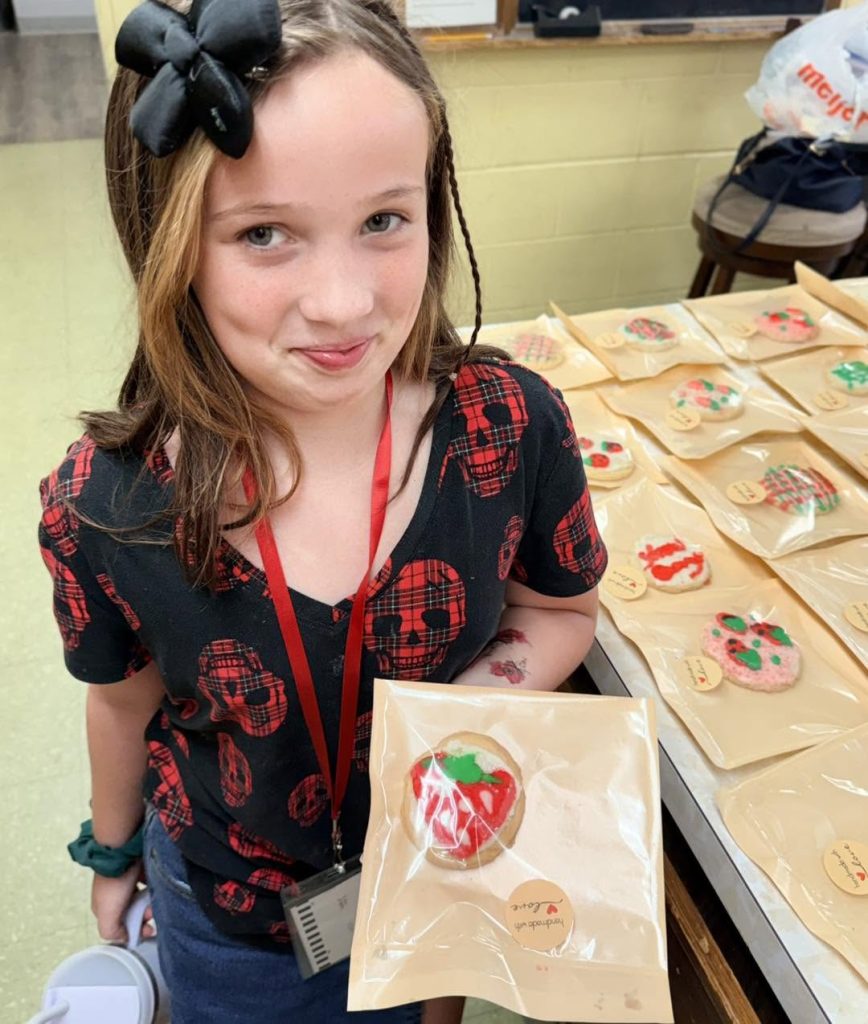
So before making a single ask, they focused on being known. They partnered with local restaurants to put UP™ branding on menu items—MiniUP™ Sliders at one spot, specialty cookies and ice cream drinks at another. They put their name on 10,000 coffee cup sleeves at the largest coffee provider in town for a full month. They pitched nothing. The goal was just to exist in people’s peripheral vision, so that when the time came, KUO felt like something donors already knew.
Offering Instead of Asking
Jeff is a retired pastor and as such, sometimes receives criticism for asking for funding. “I was always kind of standing off to the side,” he said. “I make offers; I don’t really go into the ask.”
One of the campaign’s two co-chairs felt the same way. She was a high school administrator, well-connected and capable—and she told LSA’s Nick Parkevich, MPA, CFRE, flat out that she’d never fundraised in her life and didn’t think she could.
Nick’s response: “You’re the best person to do it then. People who think they can often have the wrong methods or ideas about how to raise money. But we’re going to start fresh with you.”
Through guidance and training offered by LSA, she, the entire board, and the staff became comfortable with making the ask by focusing on their “why.” Jeff shared, “We weren’t asking for money for ourselves. We were asking for kids—and kids who become self-reliant adults make everything around them better.”
Taking the Right Steps
What made the engagement work, Jeff says, was simple: “we did what we were told.”
“Sometimes [LSA] asked us to do things that I didn’t understand,” he said. “But when we did it, it worked. So we just kept doing what they said.”
Nick and Adam Clevenger, CFRE joined us for 7am breakfast meetings when Jeff needed to get in front of a specific donor. They responded to texts and emails promptly. They offered scheduling flexibility when needed. Jeff recalls this engagement as critical to KUO’s success.
When the team listened to donors, they discovered that what people wanted most was to see how the programming comes together. Tours of the building became one of the campaign’s most effective tools, even before there was anything to see. Jeff used an online AI platform to design and print architectural renderings at Staples for $20 and taped them to the walls. Donors walked through an empty building, looked at paper drawings, imagined the impact and possibilities, and wrote checks.
Part of what made the tours work was how much they revealed. Most visitors knew one or two things about KUO—the life skills classes, maybe, or the after-school program. The tour showed potential donors everything: the education support, the work placements, the full wraparound model, the glass case of photos of kids who’d come through. “Nobody really knew everything that we did,” Jeff said. The tour fixed that.
One donor, on his first visit, wrote a $50,000 check at the end. A woman who came from a small town ten miles away gave $10,000 with no prior connection. All of this because KUO took notice of the personal connection a tour provided.
The Fundamental Fundraising Shift
Raise a million dollars and you have a building. Change how an organization thinks about money and you have fundraising sustainability.
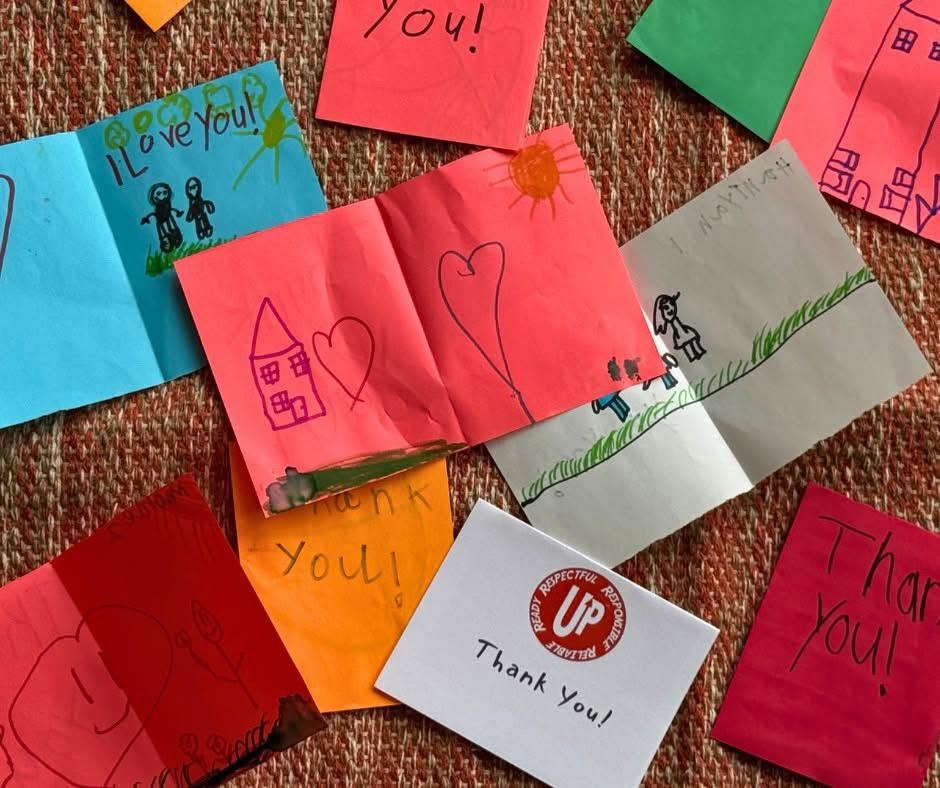
“We know that what we do is for kids,” Jeff said. “But secondly, we know that what we do is for donors and volunteers. That was the part we were kind of missing.” Giving volunteers the tools to make the ask and donors the reason to make the gift.
Board members who once focused almost entirely on policy and financial review now make asks. Every staff member can deliver a two-minute pitch. When staff take kids out to do work at community members’ homes, one person works with the kids while another talks with the homeowner about the program and sends a thank-you note the same week. They know they’re in the fundraising business, too.
The communications got an overhaul once the team realized something: their major donors skew older. Font sizes went up. Videos on Facebook lost the background music—saved for TikTok and other platforms. “Our social media person loves the music,” Jeff said, “but on Facebook, where the majority of older donors are, it’s hard for them to hear the message with background music.”
Standardized sponsorship tiers are gone. In their place: individual conversations with businesses about what impact they want to have and what partnership would look like for them specifically.
Ten years after the UP™ program launched, one of its first participants came back. He’s now KUO’s employment director. When donors come on tours, Jeff introduces him. The story tells itself.
Three consecutive graduating classes have posted 100% high school graduation rates, up from 12% when the program began. Juvenile justice involvement among UP™ participants has dropped from 60% to just five kids out of 300. KUO’s monthly operating budget has roughly doubled—from about $35,000 to $70,000 per month.
Considering the all-inclusive programming cost of just $2,400 per child, the UP™ Program provides an extraordinary return on investment. By comparison, the average cost of the local juvenile justice system is approximately $65,000 per child, per year, not including the long-term societal costs associated with reliance on public assistance, incarceration, substance use disorders, and homelessness. All of these metrics prove that not only are kids benefiting from the mission and programming, the community is better off too.
Jeff attributes a lot of that to learning, finally, that donors aren’t just sources of funds. They’re participants in the mission. “Everybody here,” he said, “is thinking about raising money. And that’s a big shift from where I was as a pastor.”
About Kokomo Urban Outreach
The UP™ Program at Kokomo Urban Outreach equips young people with the life skills, education, and work ethic to become self-reliant adults. Serving over 300 youth ages 3–18 in Howard County, Indiana, UP™ provides structured opportunities that build responsibility, leadership, and real-world readiness. Learn more at kokomourbanoutreach.org.