
Adam Clevenger
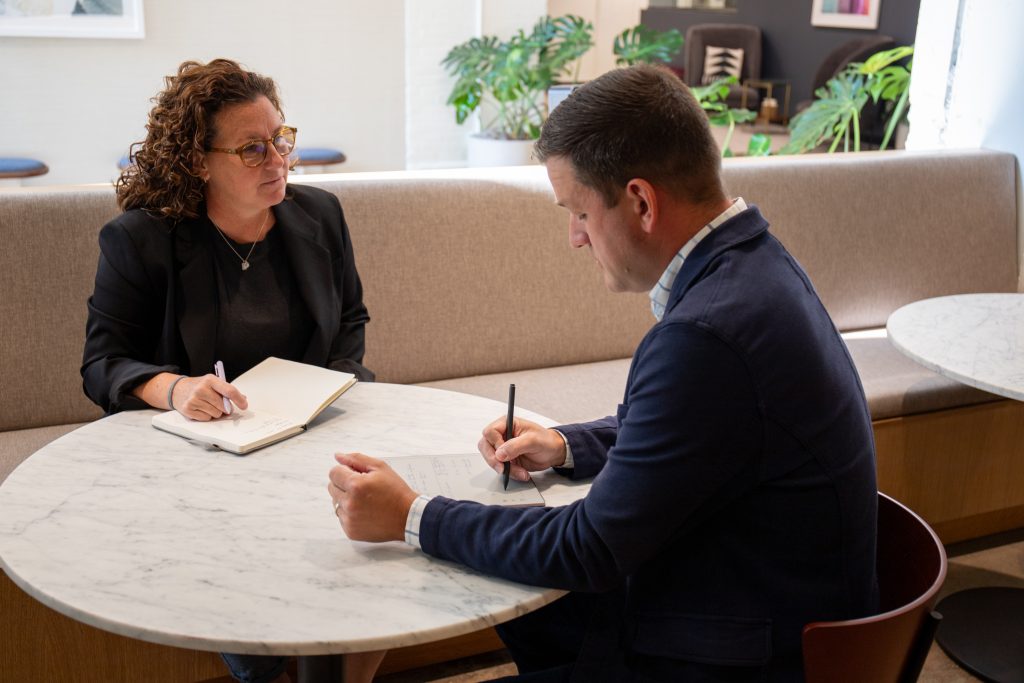
Fundraising conversations can feel like high-pressure moments.
There is a story to tell, an impact to explain, and a gift to request, all within limited time. But the strongest donor visits are not presentations delivered to someone. They are conversations built with someone.
The difference begins with curiosity.
Instead of filling every pause with more information, fundraisers can create space for donors and prospects to talk about what drew them to the organization, why the mission matters to them, and what they hope their support can make possible.
Open-ended questions help people feel heard and connected, and reveal insights that can make future conversations more personal and meaningful.
1. Plan the visit, not just the ask
A successful solicitation visit benefits from a simple, step-by-step plan. Before the meeting, decide what you want to communicate, what you want to learn, when you will make the request, and how you will respond to likely questions or objections. Preparation should create confidence without turning the conversation into a rigid script.
One phrase can be especially useful when it is time to ask: “Would you join me in making a gift of $5,000?” This language communicates that the fundraiser is not asking the donor to act alone. It invites the donor into a community of people making the same commitment and reinforces the idea that this work is shared.
2. Start by listening
Questions such as “What first brought you to our organization?” and “Why does this work matter to you?” can shift a meeting from a one-way pitch into a genuine exchange. The goal is not simply to gather information. It is to understand the donor’s connection to the mission and give that connection room to deepen.
This requires resisting the urge to push through every talking point. When we leave room for an answer and listen carefully to it, we learn what motivates the person across the table. Those details can guide the current conversation and help shape thoughtful follow-up later.
3. Never leave without defining what comes next
Like the classic television detective Columbo, effective fundraisers should remember “just one more thing:” never end a donor meeting without agreeing on the next step.
If a donor says, “Not right now, but come back in January,” ask whether you can put a January conversation on the calendar before you leave. If the donor wants to speak with a spouse, agree on when you will follow up. A clear next engagement respects everyone’s time and keeps good intentions from getting lost in busy schedules.
4. Bring the right people—and define their roles

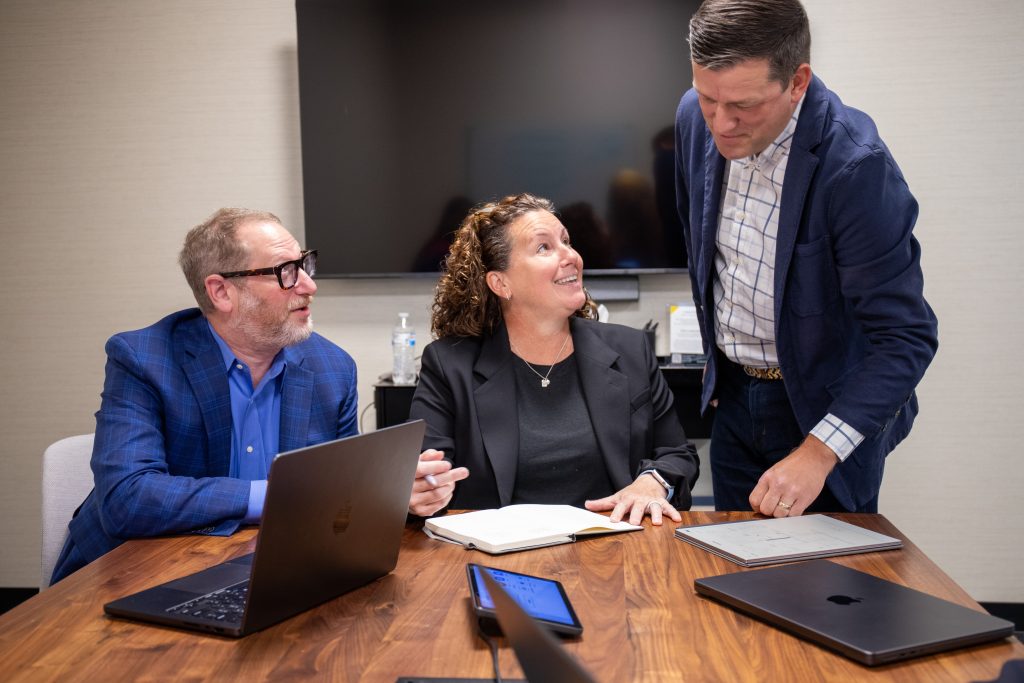
The same principles apply whether a solicitation is led by an executive director, staff member, board member, volunteer, or team. When possible, pairing a staff member with a board member or volunteer can be especially effective. The volunteer may bring a personal connection, while the staff member can answer detailed questions about the organization’s work.
If someone attends alone and does not know an answer, honesty is the best response. Try, “That’s a great question. I don’t have the answer, but I know someone who does. May I connect you?”
What matters is following through. When two people attend together, decide in advance who will open the conversation, share the story, make the ask, handle questions, and confirm the next step.
5. Turn practice into culture
Confidence in asking grows through preparation, shared learning, and repetition. Use a solicitation-planning guide to map out visits.
Review open-ended questions that can help donors talk. Discuss common objections with staff and board members. Consider a short book club or team conversation about making the ask so fundraising becomes a shared organizational skill rather than one person’s responsibility.
Ultimately, an effective donor conversation is not about finding magic words. It is about listening well, inviting someone to participate, and making it easy for the relationship to continue. Ask thoughtful questions. Prepare your team. Make the request clearly. Then, before the meeting ends, agree on what happens next.